
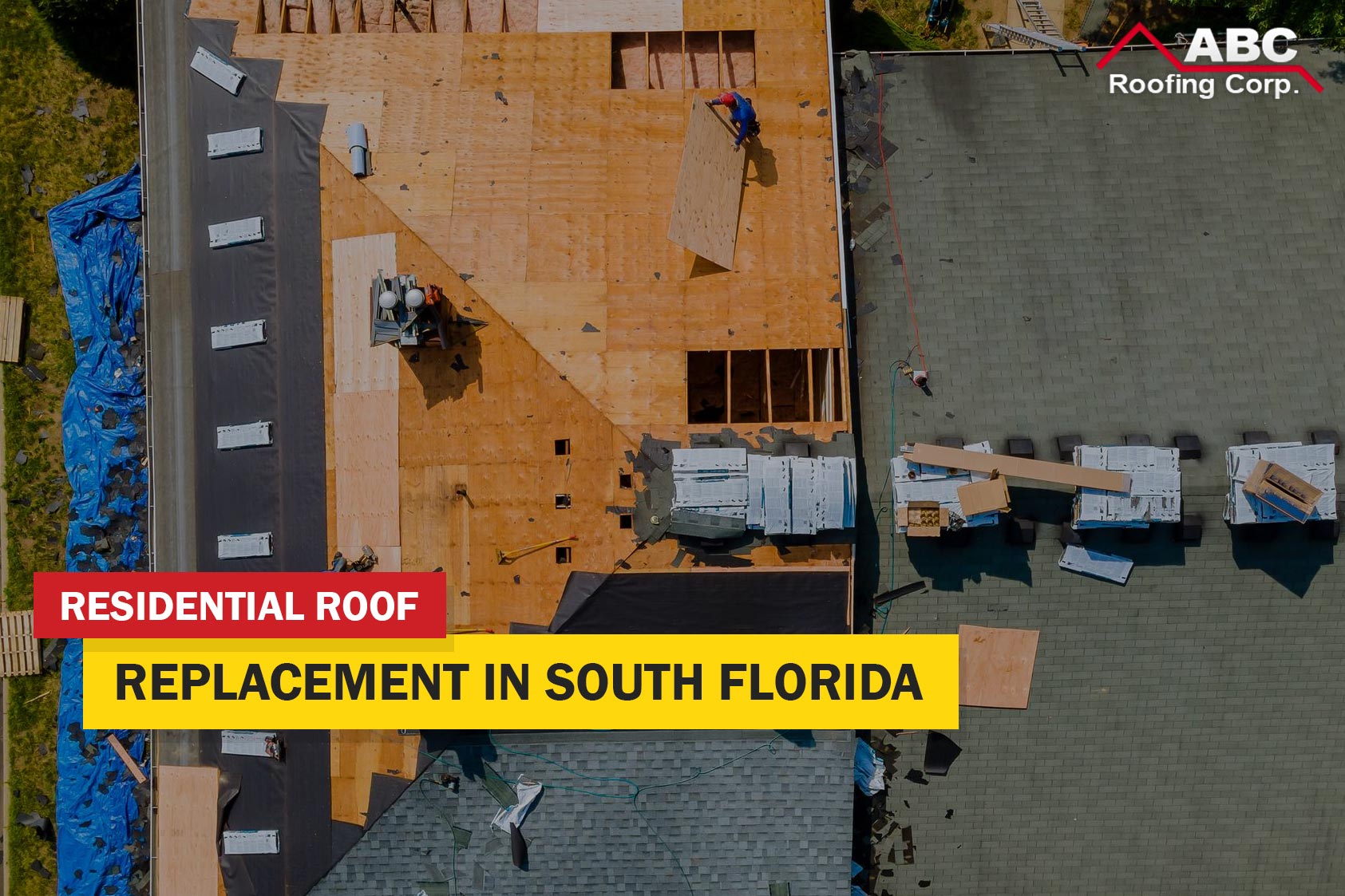
South Florida has some of the most extreme weather conditions. From its incredible sun-kissed beaches to the lush, verdant expanse of the Everglades, the state is truly blessed with some stunning landscapes. South Florida natives, however, have to take the good with the bad, as Florida is also famed for being a High Velocity Hurricane Zone (HVHZ).
Since the roof is your home’s first line of defense, it needs to be able to withstand the constant seasonal onslaught of sun, wind, and rain. The costs associated with severe weather events are increasing, as many homeowners are not adequately prepared or insured for the pummeling that their roofs will take in the summer. If the stormy events of recent months have you considering a residential roof replacement, keep reading to find some useful nuggets of information that will make the process a breeze.
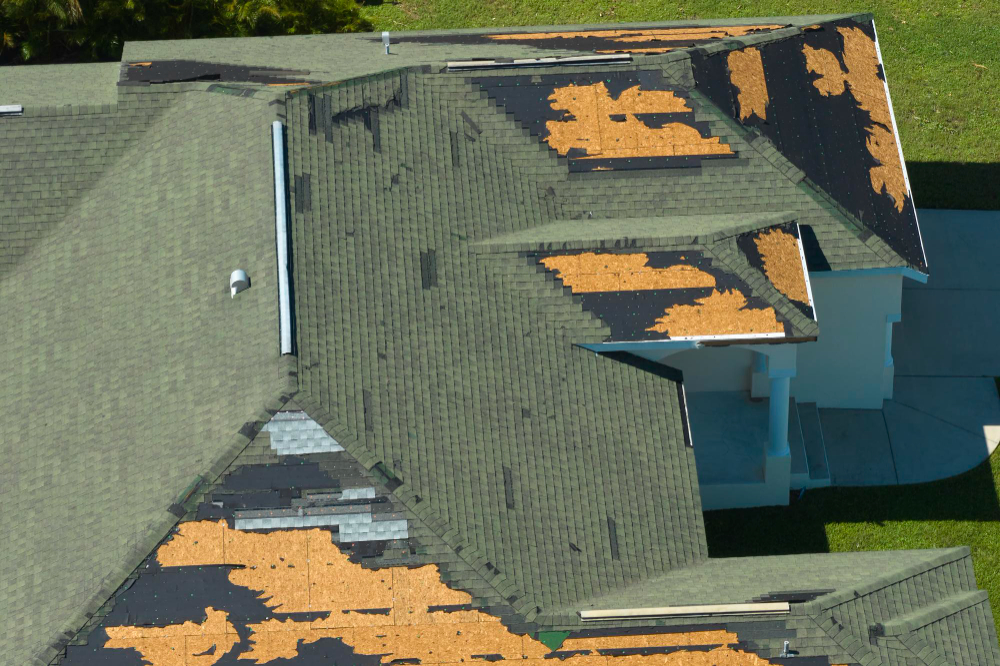
Why Is the Roof the First Line of Defense?
The roof acts as a shield from the sun’s UV rays the wind and rain synonymous with the South Florida climate. In the summer months, especially, the average South Florida home experiences hot days with temperatures in the high 80s to low 90s and consistent humidity between 70% – 80%. Roofs need to keep the hot outside air out, keep the cool air inside, and keep the building structurally sound, all while keeping the inside dry and resisting hurricane-force winds to keep the home intact. Phew!
For these reasons, the kind of roofing materials used should be carefully considered before beginning a residential roof replacement project.
The Insurance Factor
As much as we all know, insurers are always looking for a way NOT to pay out claims, we also know that there are minimum conditions that are agreed upon before a contract is entered into. The parameters for insuring a house in South Florida are very closely related to the roof’s readiness to handle extreme weather and the materials chosen for the roof’s underlayment and covering.
With increased risk comes higher premiums, which are an additional monthly expense, as opposed to a once-off cost of specifying the best materials. The insurance/roofing relationship is simple – better roofing materials mean lower premiums. Insurers will not pay out claims on roofing that is not installed by certified professional roofers. So it is important to recognize the need to make use of a reputable local residential roofer who understands the demands and requirements of building in South Florida.
Ideal Roofing Materials for South Florida
For decades, asphalt shingles and mortar applied concrete tile have been the de facto standard for roof coverings in South Florida. They are available in multiple colors and styles, have been cost-effective and replacement, wasn’t a major issue. With the occurrence of Hurricane Andrew, insurance companies as well as building codes, and homeowner convenience have changed the trend.
Standing Seam Metal Roofing
One of the most popular modern alternative is that of standing seam metal roofing. These roofs have a sleek, modern appearance that makes a statement about the quality and sophisticated nature of the material. These roofs are more resistant to fire and have far better uplift performance values as compared to asphalt shingles. Each panel is connected to its neighbor by a single longitudinal seam that bands the panels together with superior strength. The fasteners that keep the covering connected to the roof’s frame are underneath and safe from the elements.
Tiles – Concrete & Clay
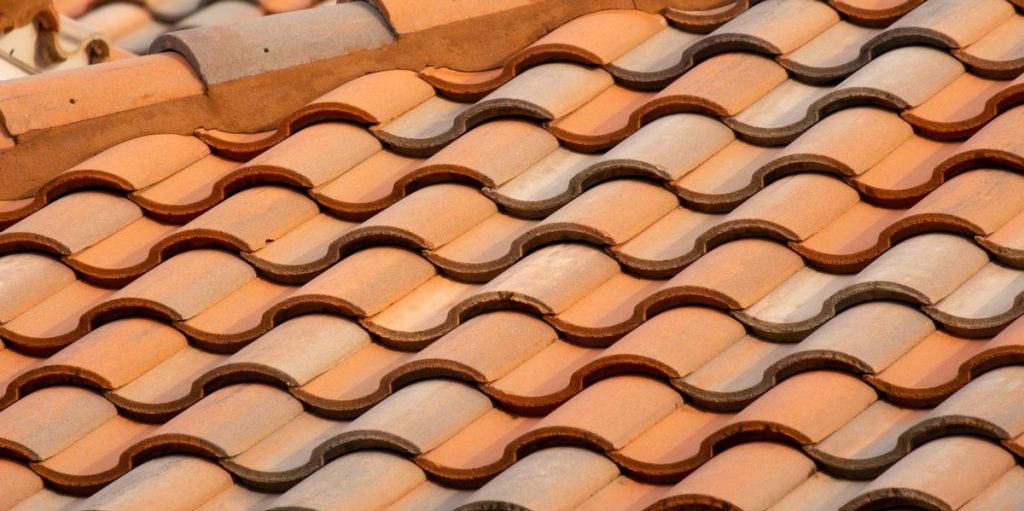
Another great option for hurricane-resistant roofing is to use tiles for your roof covering. Concrete tiles are also available in many different colors and profiles to appease the aesthetic desire of most homeowners. If something more organic and rustic is desired, then a clay tile is a solid alternative for those more traditional buyers. Tiles are also excellent at keeping the interior of a home cool, as they have excellent thermal properties thanks to the naturally insulating characteristics of concrete and clay.
Reflective Roof Surfaces
Metal roofs are also a go-to for many South Florida homeowners because of their ability to reflect a large portion of the sun’s UV rays into the atmosphere. The less heat that can get into the roof cavity, the cooler the home underneath will be.
For some flat roofs, the topmost waterproofing layer also doubles as a very shiny reflective roof surface. A pitched roof has superior performance in dealing with wind uplift and helps to keep the structural integrity of the entire building. The tiles help add extra weight to the building and, in some way, anchor the roof down, while the pitch in the roof helps dissipate some of the suction force created when strong winds blow over the roof surface.
Ring In The Reinforcements
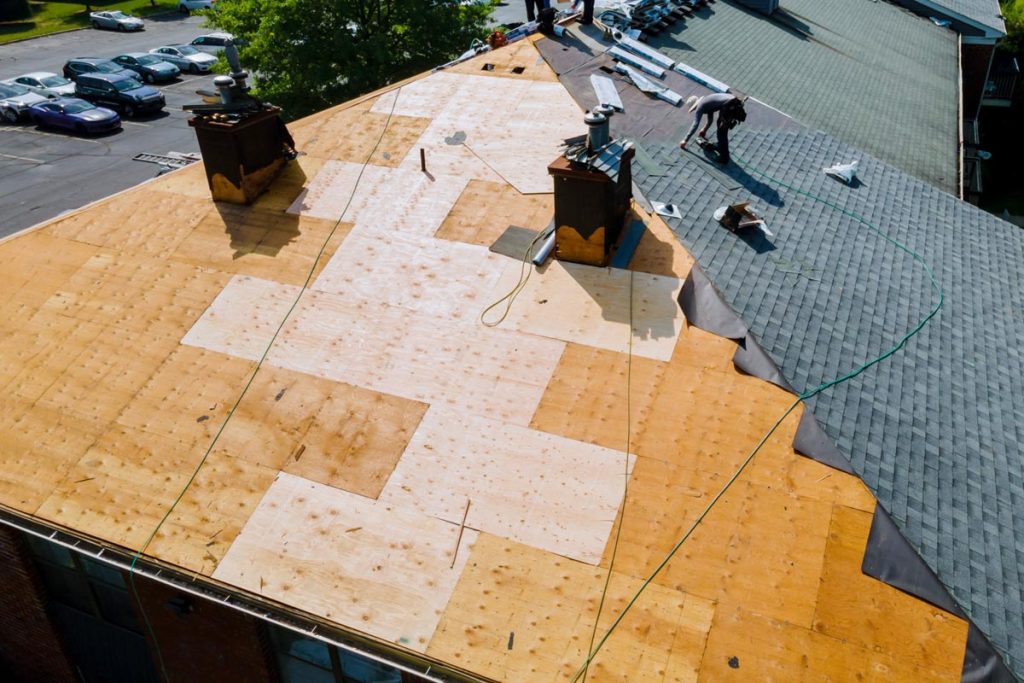
A few modifications can be made to the roof surface and underlying structures to improve the uplift performance as well as the structural integrity of the gable ends and roof to wall connections.
Hip Roofs vs Sloped Roofs
Studies have shown that roofs that contain a hip in their design are the best roof shape for coping with high wind forces and uplift. They’re designed to deflect wind loads better than gable designed roofs as they have a better profile for dissipating some of the direct forces of the wind.
Self-Adhered Underlayment With Mechanical Attachment
A self-adhered underlayment adds significant strength to the underlying roof structure as well as superior waterproofing capabilities. Since the material is overlapped and consists of a modified bitumen construction, the holes created by mechanical attachment are self-sealing and create a waterproof joint around each nail. The self-adhered nature of the underlayment means that the entire surface of each roll of underlayment is adhered to the roof, greatly increasing the friction forces between the underlayment and the roof sheath.
Hurricane Straps
Hurricane straps, commonly now designated as Roof To Wall Connections, are actually required by the South Florida Building Code for areas within the High Velocity Hurricane Zone (HVHZ), such as South Florida. They are metal strips, plates, or brackets that are usually made from galvanized steel. They provide a continuous force from the foundation to the roof truss. The straps are connected using industrial-strength screws to the wall’s top plate and then between the top plate and the trusses. They also reinforce the strength between trusses and webs (horizontal pieces of timber between trusses). Lastly, the wall is secured to the foundation with the same straps. All in all, this creates a wholly solid structure that is much harder to dislodge since the roof is essentially connected to the foundation.
Questions That You Should Ask Your Roofer Before A Roof Replacement
Replacing a roof is such a large undertaking that it is worthwhile to ask some pertinent questions that will ensure that you are making the right decision.
Certifications, Licenses & Insurance?
First, you want to check for the correct accreditation that is needed to build roofs in HVHZs. It’s important to ask for physical proof of the licenses. This should not be a problem for any reputable roofer to provide you. Then you want to ask the roofer if they are fully insured and if their insurance includes liability and workers’ compensation. This will protect you as the homeowner from any injuries that may occur to workers while on site, as well as any damage to neighboring properties.
Experience With References?
It’s always a good idea to look for a roofer who has years of experience in the trade. Ask for a list of references from some of their satisfied customers, as they will be able to provide you with their honest opinion of the work that was done.
Will They Handle The Necessary Permits?
Since South Florida has the strictest uplift requirements in the U.S., permits are required before starting such a large project. A reputable company should handle this and talk about it upfront. If there is no mention of filing permits, you should look for another contractor.
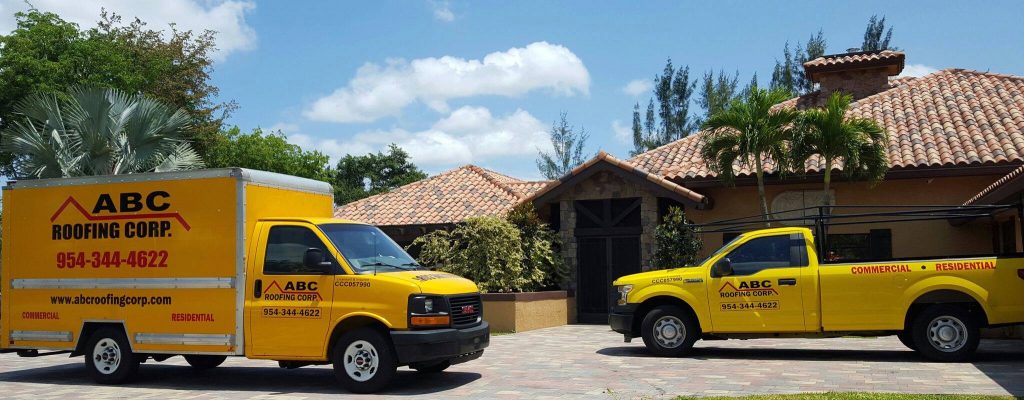
South Florida Residential Roof Replacement Specialists
ABC Roofing Corp. has been replacing residential roofs and building new ones for satisfied clients all over South Florida for over 30 years. Our constant attention to detail, as well as keeping our eye on the pulse of roofing technology over the years, means that we have built up a solid reputation.
To get started on securing your home’s roof with upgrades or a full replacement, call us at (954) 344-4622.
Related Articles
Roof Removal Dos And Don’ts
When it comes to South Florida, roof removal is all but guaranteed to happen at…
Read More
How Often Do You Need A Roof Replacement?
As the saying goes, a man’s home is his castle. We tend to think of…
Read More
Why Metal Roof Installation Is Easier Than Tile Roof
All roofing materials have a different means of installation, but roof installations are smoother and…
Read More
Important Things To Consider When Replacing A Roof
When your roof shows signs of wear and tear, it’s time to consider roof replacement.…
Read More