
- Assessing Building Use and Peak Business Hours
- Coordinating Roofing Work With Tenants and Staff
- Choosing the Right Roofing System
- Creating a Phased Commercial Roof Replacement Plan
- Managing Noise Safety and On-Site Access
- Protecting Equipment Inventory and Interior Spaces
- Communicating Timelines and Expectations in Advance
- Minimizing Downtime During a Commercial Roof Replacement
- Final Inspections and Post-Project Cleanup Planning
- Hire ABC Roofing for Your Commercial Roof Replacement With Confidence
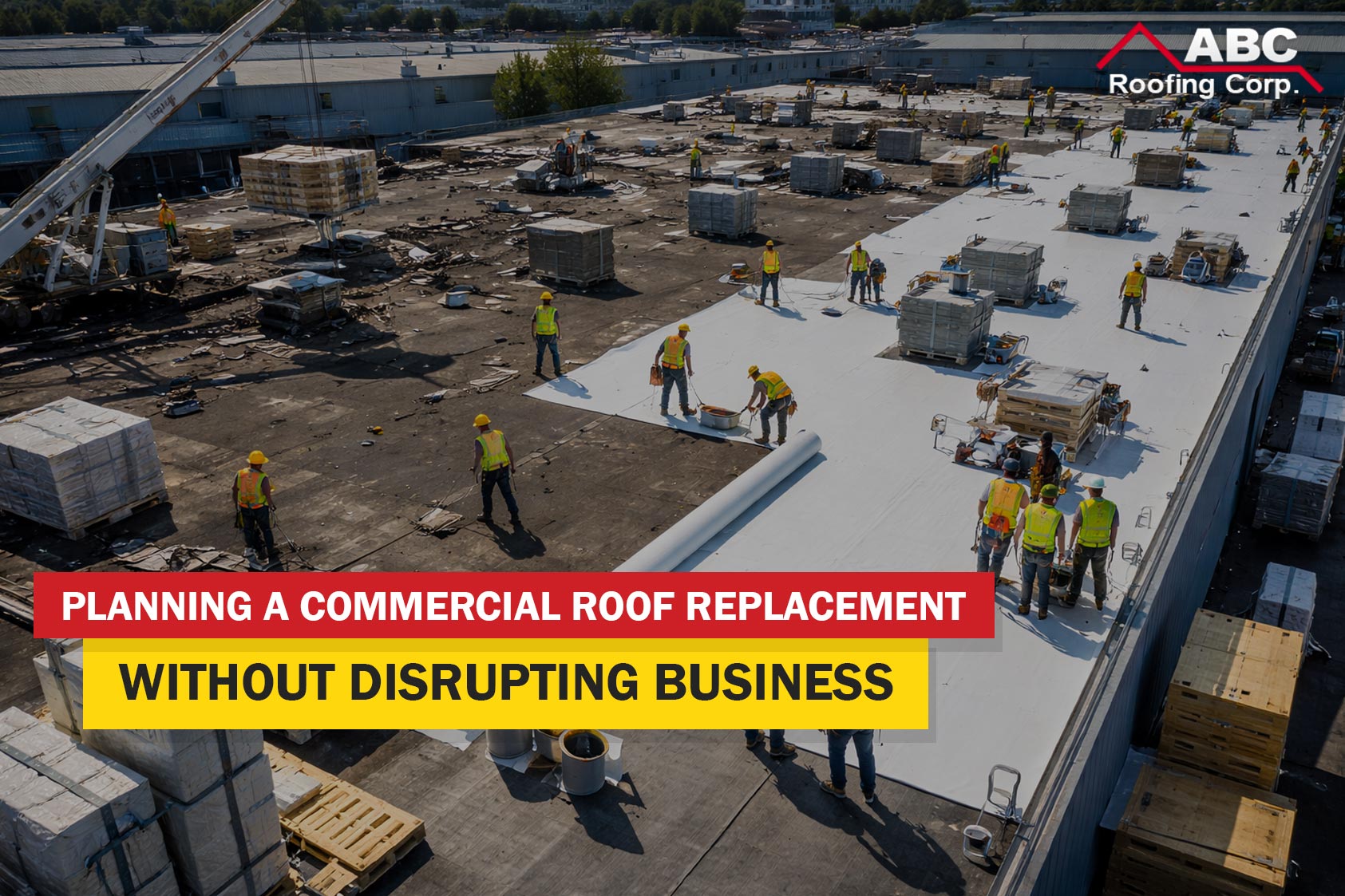
A commercial roof replacement is a project that requires strategic planning to maintain business operations without interruptions. Managing noise, ensuring safety, coordinating schedules, and protecting equipment are essential steps to keep everything on track. Minimizing downtime and selecting the right roofing system are key to achieving a smooth process. Here is how to plan for your roof replacement effectively.
Assessing Building Use and Peak Business Hours
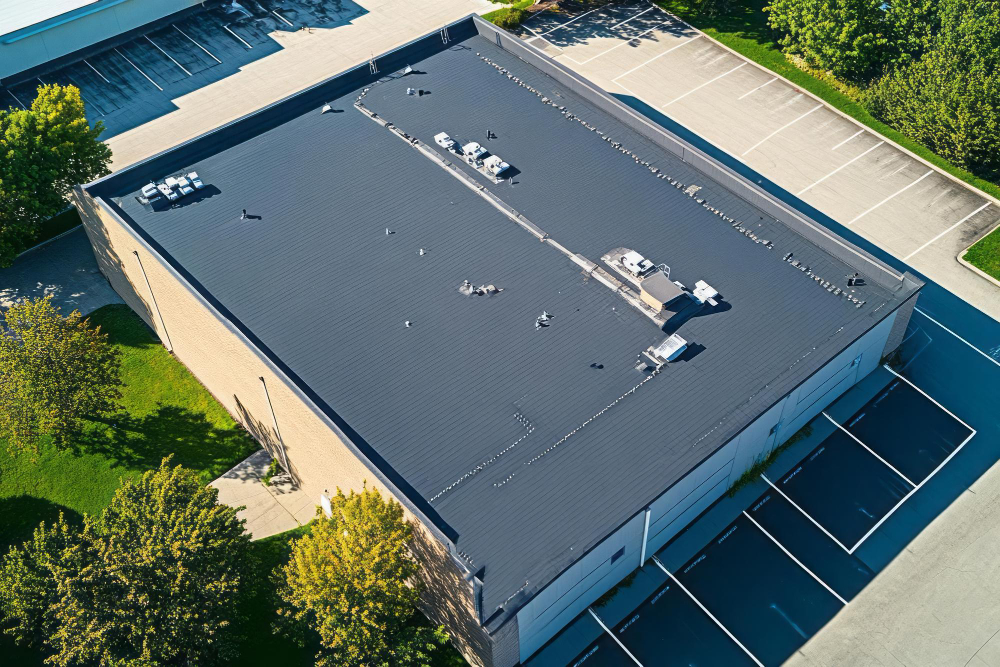
Assessing building use and peak business hours is the first critical step in planning a commercial roof replacement without interrupting operations. Every property functions differently, and understanding how the space is used throughout the day allows roofing work to be scheduled strategically. Office buildings may experience peak activity during weekday mornings and afternoons, while retail stores, restaurants, and healthcare facilities often have fluctuating high traffic periods that demand quieter and safer conditions.
Key considerations during this assessment include:
- Identifying high-traffic times, such as lunch hours or seasonal peaks.
- Evaluating areas of the building that are most frequently used.
- Determining operational priorities that cannot be interrupted.
- Consulting with tenants or staff to understand their schedules and needs.
Coordinating Roofing Work With Tenants and Staff
Coordinating roofing work with tenants and staff requires early conversations and clear expectations. People are far more understanding of temporary inconvenience when they know what is happening and when it will occur. Start with a meeting or detailed notice that explains the scope of work, expected timeline, and any areas that may be temporarily restricted. Keep the message simple and direct.
Designate a primary point of contact so questions do not get lost or mis-communicated. This helps prevent confusion about parking changes, access routes, or scheduled noise. Tenants will want to know how their customers and employees will enter the building safely. Staff may need clarity on delivery schedules or adjusted workspaces.
Choosing the Right Roofing System
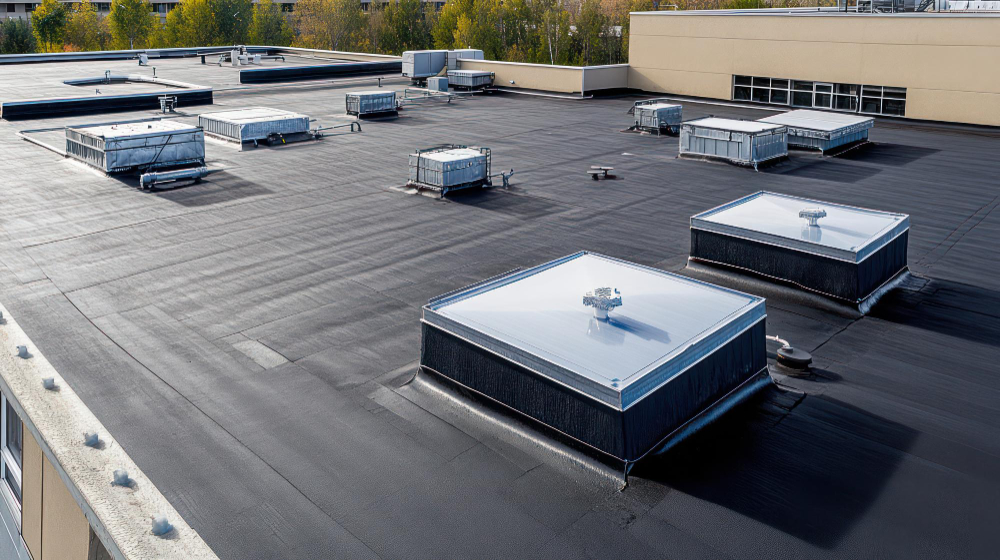
Choosing the right roofing system plays a major role in how quickly and smoothly the project moves forward. Some materials take longer to install because of complex layering, extended curing times, or added structural requirements. Others are designed for efficiency and can significantly reduce labor hours and on-site disruption. When planning a commercial roof replacement, material selection should balance speed, durability, and long-term performance.
Consider these key factors when selecting the right system:
- Large sheet membrane systems. Single-ply membranes such as TPO or PVC come in wide rolls that cover more surface area with fewer seams. Fewer seams mean less welding or sealing time, which speeds up installation and lowers the risk of future leaks.
- Prefabricated components. Factory-fabricated edge metals, curbs, and flashing details improve precision and reduce the amount of custom fabrication required on-site. This allows crews to work more efficiently and maintain consistent quality.
- Weather tolerance during installation. Some roofing systems perform better in varying temperatures or humid conditions. Choosing a material that aligns with the local climate helps prevent weather-related delays.
Creating a Phased Commercial Roof Replacement Plan
A phased replacement of a commercial roof plan allows work to move forward in controlled sections instead of disrupting the entire building at once. The roof is divided into manageable zones so key entrances, loading docks, and high traffic areas remain accessible while crews focus on one area at a time, improving safety and minimizing confusion. This structured approach also provides flexibility to adjust for weather or operational demands while keeping daily operations steady throughout the project.

Managing Noise Safety and On-Site Access
Managing noise, safety, and on-site access is essential when roofing work is happening above an active business. Roofing projects can generate significant sound, especially during tear-off and material removal, so scheduling louder tasks during off-peak hours helps reduce disruption. Clear communication about when noise levels may increase allows staff and tenants to plan accordingly.
Safety planning should be visible and proactive. Clearly marked barriers, caution signage, and designated walkways protect employees, customers, and delivery personnel from work zones. Equipment and materials must be staged in areas that do not block emergency exits, parking flow, or loading areas.
Protecting Equipment Inventory and Interior Spaces
When you plan roofing work over an active building, protecting equipment, inventory, and interior spaces is a priority. Dust, debris, vibrations, and unexpected moisture can affect sensitive electronics, stored products, and finished interiors, so protective coverings, temporary barriers, and coordinated work zones are essential safeguards. Careful preparation and daily site cleanup help ensure that everything inside remains secure while work progresses overhead.
Key Weather Conditions To Consider
Reviewing both seasonal trends and short-term forecasts helps prevent delays, protect materials, and reduce safety risks during active work. Heavy rain stops tear-off, increases the risk of interior leaks, and creates slippery surfaces. High winds make handling materials unsafe, can lift loose membranes, and blow debris around the property. Extreme heat affects adhesive curing times, softens certain materials, and raises crew safety concerns.
Communicating Timelines and Expectations in Advance
Clear communication about timelines and expectations prevents confusion and keeps everyone aligned from the start. Tenants, employees, clients, customers, and vendors should know when work will begin, how long it is expected to last, and which areas may be temporarily restricted. Sharing a simple project schedule with key milestones helps people plan around louder phases or limited access points.
Minimizing Downtime During a Commercial Roof Replacement
Minimizing downtime during a commercial roof replacement starts with strategic scheduling and efficient project management. Work can be arranged during evenings, weekends, or slower business periods to limit disruption to daily operations. Coordinating inspections, material deliveries, and crew availability in advance prevents unnecessary pauses once the project begins.
Preparation inside the building also plays an important role. Relocating sensitive operations away from active work zones and protecting critical equipment reduces the chance of interruptions. When planning is proactive and organized, business activities can continue with minimal impact while the roof is upgraded overhead.
Final Inspections and Post-Project Cleanup Planning
A thorough roof inspection ensures the roofing system has been installed correctly, flashing details are secure, and all components meet manufacturer specifications and warranty requirements. Addressing minor adjustments at this stage prevents larger issues later. Your cleanup process should restore the property to its original condition or better. A final walkthrough with the contractor confirms the building is fully ready for normal operations.
Hire ABC Roofing for Your Commercial Roof Replacement With Confidence
A successful commercial roof replacement depends on detailed planning and clear communication. At ABC Roofing, we bring decades of expertise serving South Florida businesses, delivering efficient scheduling, phased planning, and professional execution. From initial assessment to final inspection and cleanup, their team focuses on minimizing disruption while maximizing long-term performance.
If you are ready to protect your property and upgrade your roof without slowing down your business, contact ABC Roofing in Coral Springs today to schedule your consultation.
Related Articles

Top Warning Signs Your Business Needs Help From A Commercial Roofing Company
As a commercial roofing company, we understand that as a business owner, you have a lot…
Read More
Commercial Roofers Break Down Your Commercial Roofing System Options
For any commercial property, the roofing system you choose is a significant investment in the…
Read More
Importance Of Commercial Roof Repairs To Prevent Costly Damage
As a commercial property owner, you should never shy away from commercial roof repair. You…
Read More
Why Should A Roofer Perform A Roof Inspection
It’s no secret that a sturdy roof is a key to protecting your home during…
Read More