
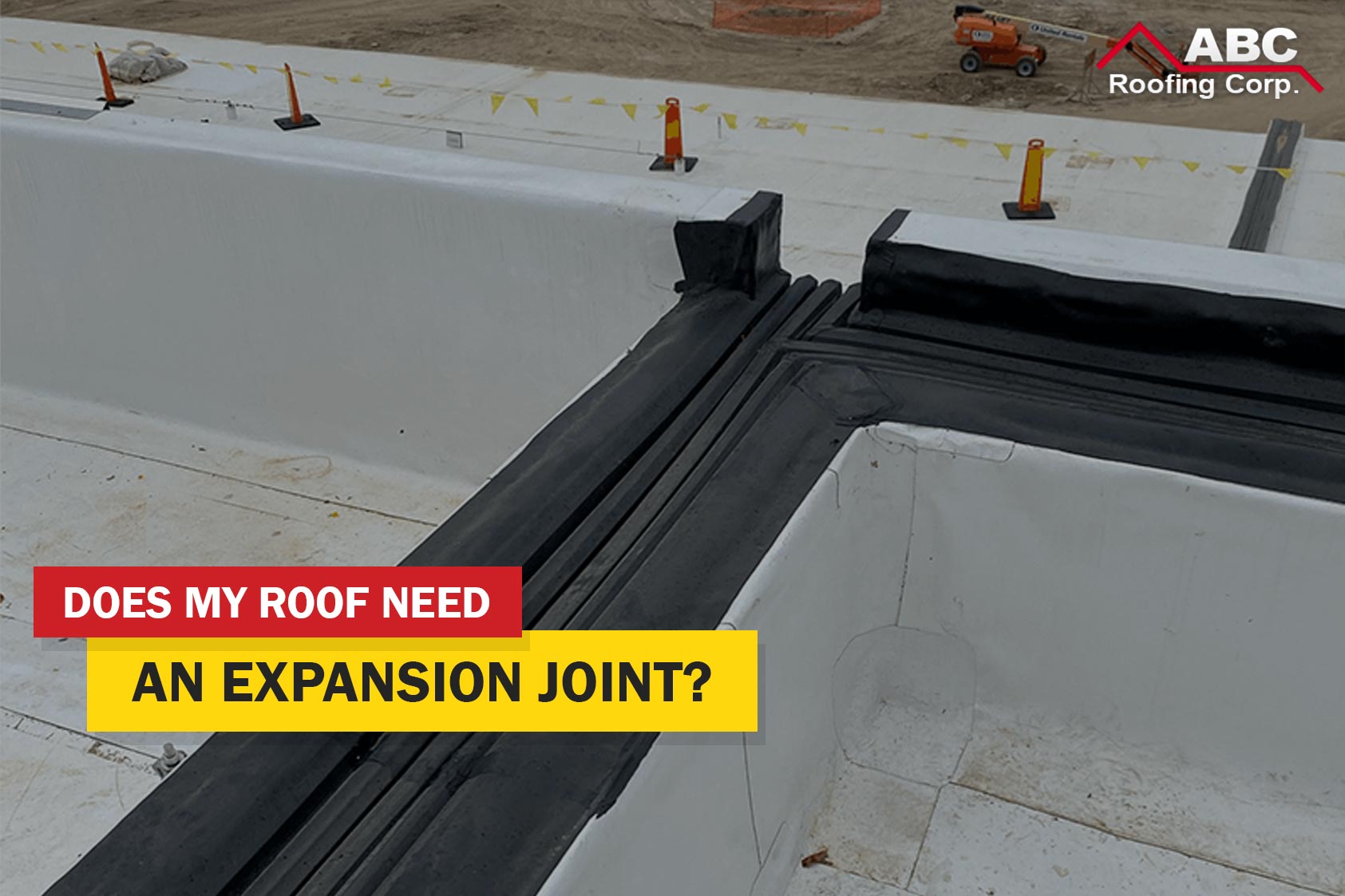
Investing in a roof is a long-term investment. Quality roofs are designed to last for at least 20 years or more, but not every roof is protected from expansion and contraction. In South Florida’s climate, temperature changes and weather conditions can cause roofing materials to move, which is why a roof expansion joint is sometimes required. A properly installed roof expansion joint allows different sections of the roof to move safely without cracking or breaking, preventing damage that could later require professional roof repair services.
What Is A Roof Expansion Joint?
An expansion joint is a small gap that separates two roof sections. It runs across the roof and divides one large surface into two or more areas. This allows each section to move independently without putting stress on the rest of the roof. By relieving pressure caused by expansion and contraction, expansion joints help prevent damage and extend the life of the roof.
Expansion Joints For Metal Roofs
Most metal roofs require expansion joints because metal roofing panels are often installed in long sections. The longer the panel, the more movement it will experience as temperatures change. This is why professional metal roofing services often include expansion joints when installing large roofing systems.
In warm climates like South Florida, metal expands when temperatures rise and contracts when temperatures drop. Even a 40-foot section of metal roofing can move enough to cause stress on the fasteners and seams. Properly installed standing seam metal roofs are designed to allow movement, but expansion joints may still be required depending on the size of the roof.
Can I Place A Metal Roof Over An Existing Roof?
Depending on local building codes, it may be possible to install a metal roof over an existing shingle roof. This can save time and labor, but it must be done correctly. Metal roofing should never be installed directly over asphalt shingles without the proper underlayment.
Asphalt shingles have a rough surface that can wear down the protective coating on metal. Over time this can cause rust or corrosion. When installing a new system, a professional roofer may recommend a full roof replacement to ensure the new roof is properly protected and built to last.
Do GRP Roofs Need Expansion Joints?
Glass-reinforced plastic, also known as fiberglass roofing, is commonly used on flat or commercial roofs. Like metal, fiberglass expands when heated and contracts when cooled. Without expansion joints, this movement can cause cracks or leaks.
Because of this, expansion joints are often recommended during commercial roof repairs or new flat-roof installations to prevent future damage.
Expansion Joints For Other Roof Coverings
Tile and shingle roofs do not always require expansion joints because they are made up of many smaller pieces. Each tile or shingle can move slightly without putting stress on the entire roof. Materials like slate, clay, or asphalt are less likely to expand in large sections compared to metal or fiberglass.
However, every roof is different, and a professional inspection is the best way to determine if an expansion joint is needed.
The South Florida Roof Expansion Experts
Planning a new metal roof installation or replacing an existing roof? ABC Roofing specializes in residential and commercial roofing systems throughout South Florida. Hiring an experienced contractor helps prevent costly mistakes and ensures your roof is built to handle Florida’s heat and weather conditions. Call ABC Roofing today at 954-344-4622 to learn more.
Related Articles
Preparing Your Roof For A Hurricane
Living in an area prone to hurricanes means that you need to be prepared for…
Read More
How To Choose The Best Roofing Contractors In South Florida
Roofs are an essential part of any home. Left unchecked, damages to your roof will…
Read More
The Benefits Of Clay Roofing
Clay roof tiles are among some of the oldest kinds of roofing that there is.…
Read More
For Roofing Contractors You Can Trust, Call ABC Roofing!
Having to replace or repair your roof seems like a large task to tackle, after…
Read More