
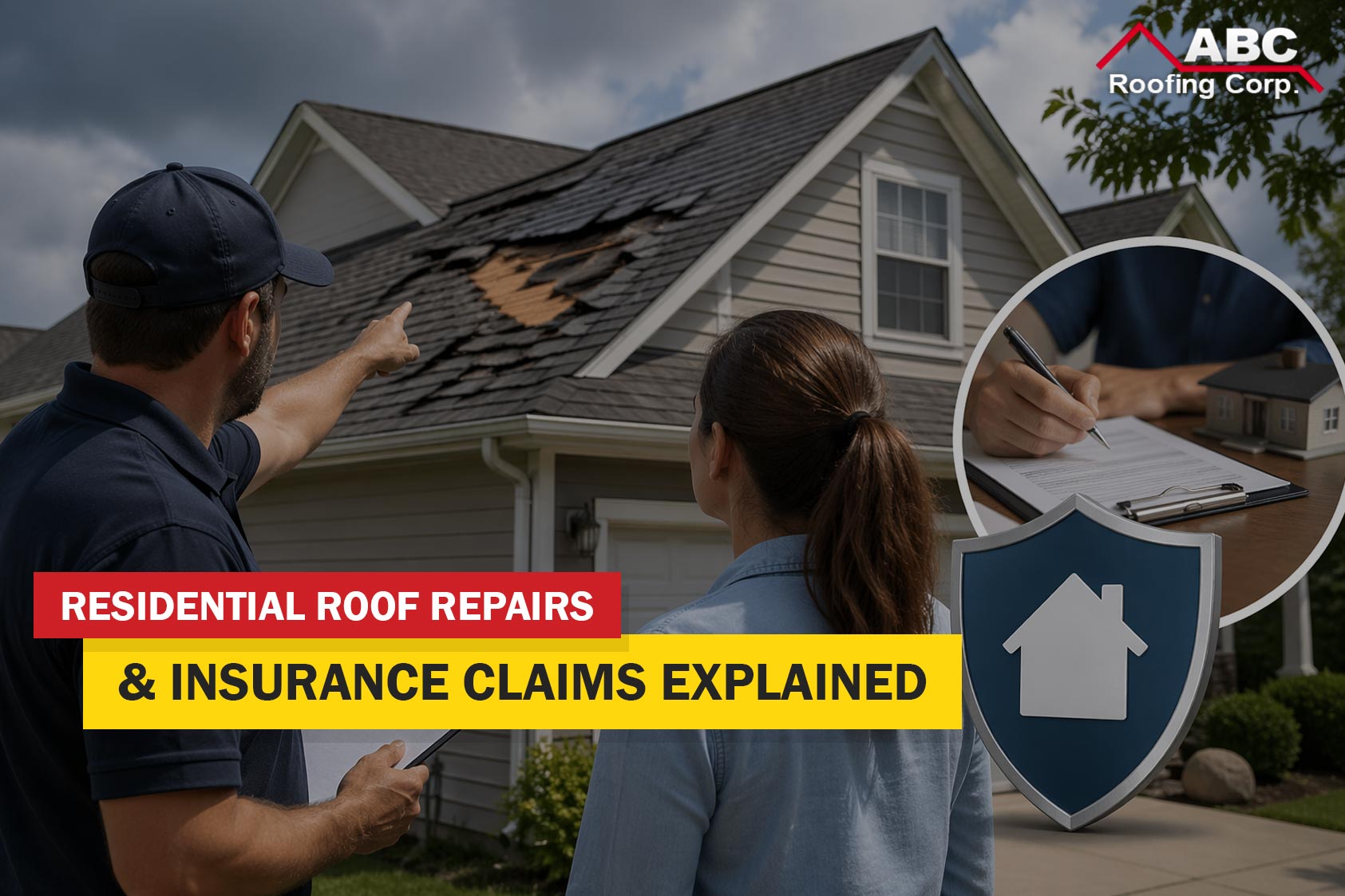
Homeowners insurance is something that everyone needs, but hopefully never has to use. Living in South Florida, however, wind and rain damage during hurricane season is an unfortunate reality. Insurance policies help cover the costs, repairs, or replacements of roofs, though the exact amount of coverage depends on the particular policy you have.
Unlike other insurance policies, which cover standalone damages like fire or flood, homeowners’ insurance is part of a comprehensive insurance plan for your home.
Read on to learn more about insurance claims for residential roof repair to better understand how your policy works.
Does Homeowners Insurance Cover Roof Repair Or Replacement?
Florida’s hurricane season weather falls under an insurance category called a “covered event”: something that affects a large number of residents at once, as opposed to individual roofing accidents that cause damage. Roof coverage can vary, despite the valuable protection that homeowners’ insurance offers. Your insurance company will consider factors such as roof age, condition, and shape before it offer a cost for repairs or replacement.
Most homeowners’ insurance policies contain certain exclusions and deductibles. Cosmetic damage, for example, which doesn’t affect the roof’s function, may not be covered, particularly if it’s caused by lack of maintenance. Storm-prone areas may have separate deductibles for wind and hail damage. You may want to review your insurance policy in advance of the next hurricane season to help prepare yourself.
Understanding Roof Loss Settlements
Once a claim for roof damage is approved, your settlement – the amount your insurance company pays – depends on what is outlined in your policy. Some policies cover most, but not all, of the damages, which means the homeowner may have to pay a percentage out of pocket for residential roof repairs (still significantly less than the entire cost).
In most homeowner insurance policies, there are three types of settlements: replacement cost value (RCV), actual cash value (ACV), and a roof payment schedule.
Replacement Cost Value (RCV)
The most comprehensive option in most insurance policies, it covers the full cost of a roof replacement, at current cost. However, any upgrades you might want will have to come from your own pocket.
Actual Cash Value (ACV)
This type of policy will offer a payout based on the depreciated value of your roof at the time the damage occurred. It may be the most practical option for older roofs, as it comes with much lower premiums. The payout may not cover the full cost of a new roof when depreciation is factored in, however, so you may have to cover the difference.
Roof Repayment Schedules
You may also see this policy referred to as a “limited loss settlement.” It’s an increasingly common type of settlement that bases payouts on a fixed percentage of the overall replacement costs. Typically, this number is determined by the age of the roof at the time the damage occurred. This means that a roof over 20 years old may receive a payment of no more than 25-40% of the total replacement cost.
Does Homeowner’s Insurance Cover Roof Leaks?
Covered events, such as storms, are the primary reason that an insurance company would cover the cost of residential roof repairs. A storm, for example, can cause a tree to fall on your home, and are beyond anyone’s control. But leaks as a result of normal wear and tear, perhaps due to the roof’s age, or lack of maintenance, are harder to get approved, as these reasons are seen as preventable by the homeowner.
Prevention, then, is your best defense against expensive repairs down the road. Keep overhanging tree branches trimmed, gutters clean, and be sure to schedule annual maintenance with a professional roofing company.
Steps To Take Before Making A Claim
If your roof becomes damaged in a “covered event,” and the repairs will exceed the amount of your deductible, you should not wait to file a claim with your insurance company. However, before you pick up the phone, do these things first:
- Limit the possibility of further damage. Cover exposed areas with a tarp, if you have one, to mitigate further damage.
- Document everything. The more photographic evidence you have of the damages, the better. Your insurance company will want to know the specific extent of damage and loss.
- Begin the claims process. After these critical steps, call or go online to your provider’s website to get the process started.
- Choose the right roofing contractor. Find out which roofing companies are covered by your insurance provider before you contact them. Only work with insured, experienced roofing contractors.
Residential Roof Repair In South Florida
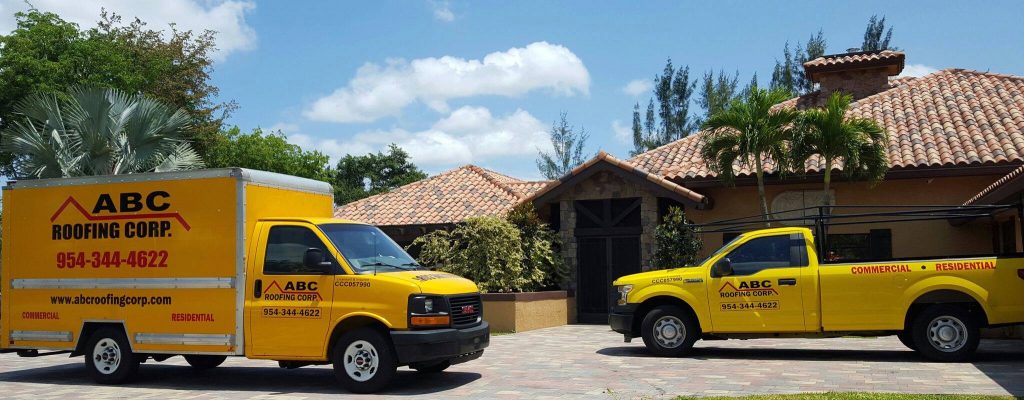
Florida is a beautiful place to live, but storm season is a big part of it. Don’t wait until after a hurricane occurs to repair or replace your roof. When you call the experienced contractors at ABC Roofing for annual inspections, you may save yourself thousands of dollars in damages down the line. We recommend scheduling a roof inspection in the fall, just before the start of the notorious storm season.
No matter what the weather, wear and tear over time still happens. Regular maintenance is the best prevention against expensive repairs or replacements. But when a particularly harsh storm hits, we’re here to help after the storm passes.
Make sure your roof is healthy and strong enough to face Florida’s worst storms, long before the meteorologists start predicting them. Call today at 954-344-4622 to schedule your maintenance appointment, or to get a quote for existing minor damages.
Related Articles
Four Qualities Of An Awesome Roofing Company
When hiring a roofing company for your project, here is a list of qualities we…
Read More
Always Hire Professional Commercial Roofing Contractors
When you are running a business, roof maintenance is an important element, but it may…
Read More
Avoid Frustration With Reliable Residential Roofing Contractors
Let’s face it, not all residential roofing contractors are reliable and honest, so you must…
Read More
Your Waterproofing Roof Options
Waterproofing roof options are one of the ‘behind the scenes’ materials that do not get…
Read More