
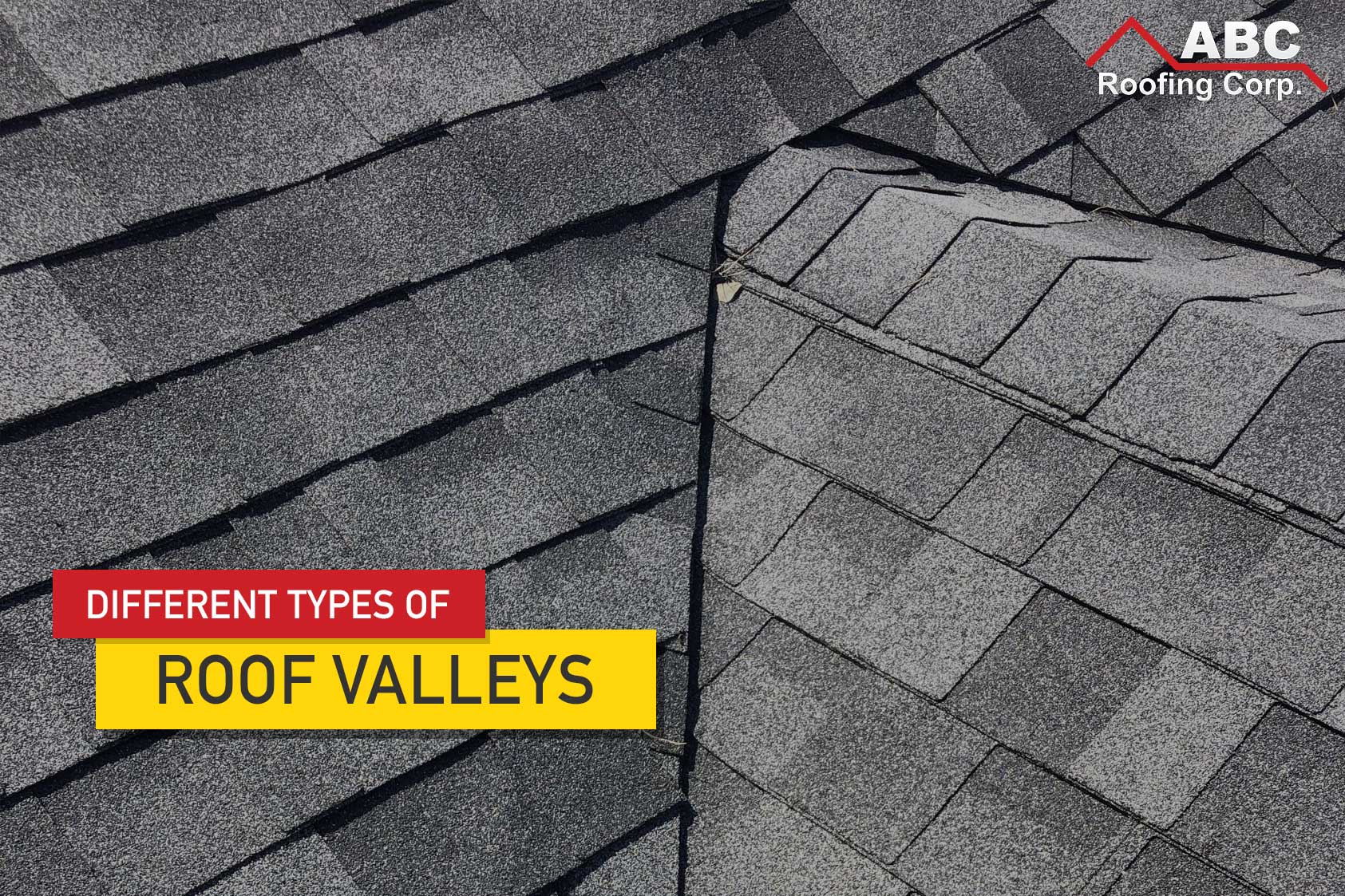
A roof valley is an architectural term used to describe the slope where two roof sections meet. Technically, it is the V-shaped channel formed at the fold of the roof where water flows down toward the gutter.
A roof valley is one of the most important parts of the roof because it directs large amounts of rainwater safely off the roof. When valleys are not built correctly, water can collect and cause serious damage that may require professional roof repair services to prevent leaks and structural problems.
Most roof valleys are made from galvanized metal, which can eventually corrode over time. Because of this, valley replacement is common during a re-roofing project. Many homeowners discover that valley damage is one of the main reasons they need a full roof replacement.
Nowadays, if you are building a new home or replacing your roof, there are several different roof valley styles to choose from.
How Do I Know When My Roof Valley Is Deteriorating?
When a roof valley begins to fail, the ceiling under that area may start to stain. Rust holes or damaged flashing can allow water to drip into your home. Roof valleys can also become blocked with leaves and debris, causing water to back up during heavy rain.
Because valleys direct water toward the edge of the roof, proper drainage is important. Keeping gutters clear and in good condition with professional seamless gutter installation helps prevent water from collecting in the valley and leaking into the home.
Don’t wait until serious damage occurs. Every home is different, and the correct type of roof valley depends on the roof design and materials used.
There Are Two Types Of Roof Valleys
Open Valley
An open roof valley is when the roof covering material ends a few inches before the centerline of the valley, leaving a metal lining exposed.
Imagine a roof made of tiles. The entire roof is covered with tiles, except for the valley where the two roof sections meet, which is lined with a flat metal plate. A metal-lined valley helps protect the roof from water intrusion. If shingles or tiles are used in the valley instead of metal, water may not flow off the roof as easily.
In some cases, shingles or tiles may not line up perfectly in the valley, which can prevent water from flowing freely off the roof and may increase the risk of leaks.
Closed Valley
A closed roof valley adds an extra layer of protection to your roof. There are two types of closed roof valleys: cut and woven.
Before the roof is finished, a protective underlayment is installed over the entire roof. As the roof is built, shingles or tiles are installed across the valley so the roofing material itself covers the valley. In a closed roof valley, the shingles or tiles act as the valley lining.
Closed valleys come in two styles, cut and woven. The difference between the two is mostly cosmetic. A cut valley has a clean, straight appearance, while a woven valley interlocks the roofing materials from both sides of the roof.
Choosing The Right Roof Valley
Architects often prefer closed valleys because they look cleaner, while roofers often prefer open valleys because they allow water and debris to flow off the roof more easily. A closed valley can be cheaper to install, but an open valley may last longer in areas with heavy rain like South Florida.
No matter which type you choose, the most important factor is proper installation. A roof valley will last much longer when it is built by experienced roofing professionals.
If you are concerned about leaks, damaged flashing, or an aging roof, contact ABC Roofing today at 954-344-4622 to schedule an inspection.
Related Articles

When Is The Best Time To Conduct A Roof Inspection?
A home’s roof is arguably one of the most important aspects of a home, but…
Read More
Top Tips From A Licensed Roofer
Roofs are easy to forget about, they don’t often need to be looked at, but…
Read More
Flat Roof Maintenance Tips
Flat roofs last approximately between 10 to 20 years before they need to be replaced. …
Read More
Why Fall Is The Best Time To Schedule A Roof Inspection In South Florida
When you live in South Florida, you get used to the heavy rain, humidity, and…
Read More