
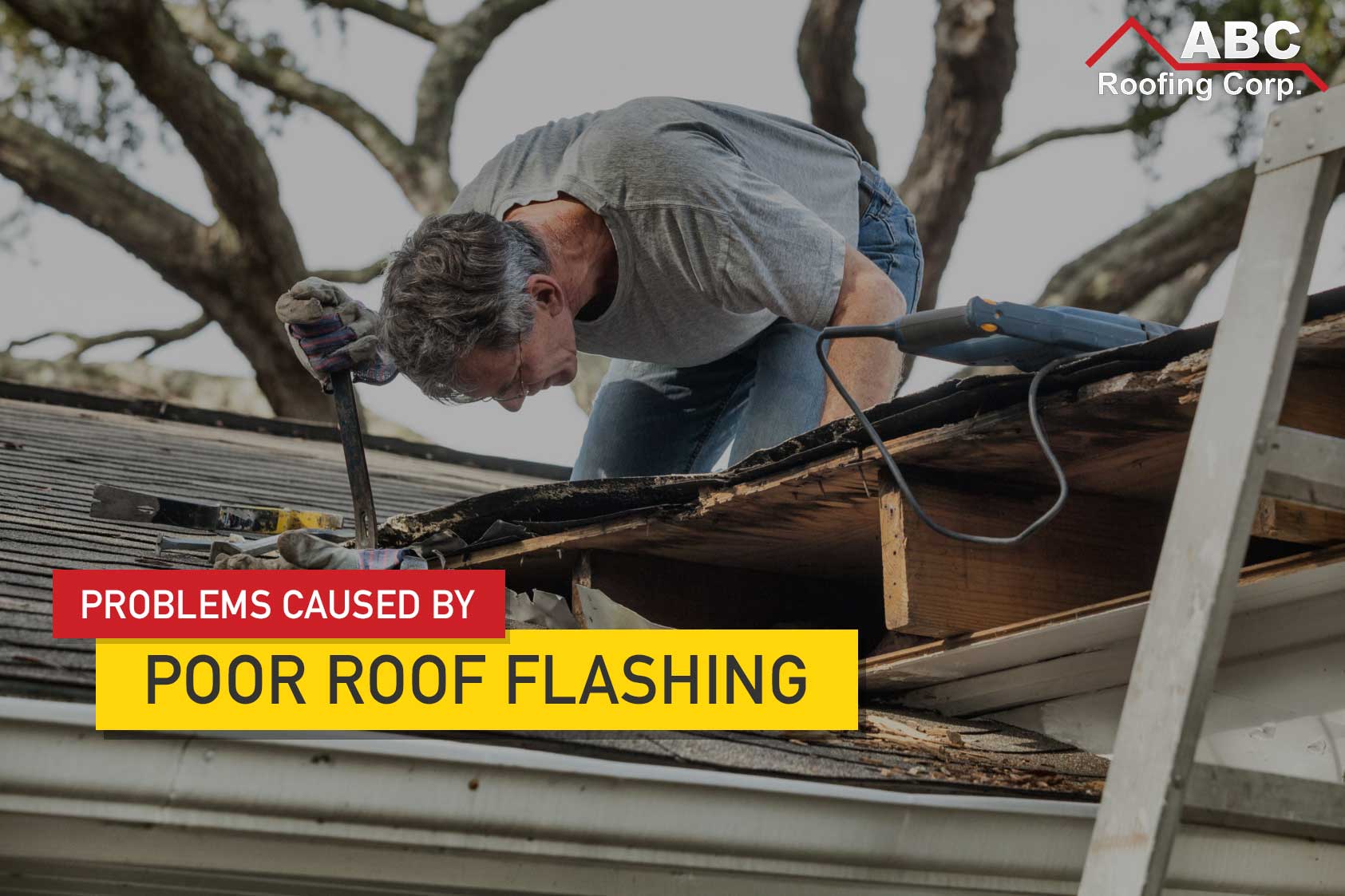
Your roof is one of the most important parts of your building. It protects the interior from weather, moisture, and everyday wear and tear. When roof flashing fails, it can allow water to enter through seams and joints, causing damage that threatens the structural integrity of your home or business. Problems with roof flashing are one of the most common reasons homeowners need professional roof repair services to stop leaks before they become serious.
Defective Flashing
Flashing protects the joints, seams, and edges of your roof from excess water. These areas are the most vulnerable parts of any roofing system. Flashing is usually made of sheet metal and is designed to direct water away from critical areas. Over time, flashing can deteriorate due to expansion and contraction caused by changing weather conditions. Improper installation can also lead to early failure.
If your roof is leaking, flashing should be one of the first things inspected. Many flashing problems involve damage to the roofing membrane, which is the layer that protects your home from water intrusion. When the membrane becomes damaged, the roof may require professional commercial roof repairs, especially on low-slope or flat roofing systems.
Blow Offs
Open seams and joints can lead to blow-offs, where part or all of the roof covering separates from the structure. Flashing problems reduce the strength of the roof membrane and make it easier for wind to tear the roofing material loose.
This type of damage often happens when adhesives are not allowed to cure properly before being exposed to wind or rain. Strong storms and hurricane-force winds, which are common in South Florida, can quickly cause major damage to poorly installed roofing systems.
Billowing
Billowing happens when sections of the roofing membrane detach and begin to lift or flutter in high winds. This is usually caused by poor flashing installation or lack of maintenance. If billowing is not repaired quickly, it can lead to a full blow-off.
In emergency situations, a roofer may need to cut part of the membrane to release trapped air or water. Although this may allow some moisture to enter temporarily, it helps prevent further damage to the roof structure.
Tenting
Tenting occurs when the roofing membrane shrinks and pulls against the flashing and seams. This can create pressure that causes the roof to lift or tear. Tenting is often caused by temperature changes that make roofing materials expand and contract over time.
This problem must be fixed quickly before the membrane ruptures and allows water into the building. Repairs may include removing damaged material and installing new waterproof layers such as modified bitumen or protective coatings. In some cases, applying silicone roof coatings can help protect low-slope roofs from future water intrusion.
Professional Roofers
Damaged or poorly installed flashing can cause serious problems for any roof, especially in hurricane-prone areas like Florida. Water damage, wind damage, and membrane failure can quickly turn into costly repairs if they are not addressed.
It is important to have a professional roofing contractor inspect the roof and repair any damaged flashing before the problem spreads. If the damage is severe, a full roof replacement may be necessary to restore the strength and protection of your roofing system.
If you suspect flashing damage or roof leaks, contact ABC Roofing today at 954-344-4622 to schedule an inspection.
Related Articles
Why Is My Flat Roof Cracking?
At some point in your building’s lifetime, your flat roof will need to be replaced…
Read More
Do You Need A Roof Leak Repair? Know The Warning Signs
Do you have a roof leak that you can’t get on top of? There are…
Read More
Commercial Roofing Problems: Blistering
One of the most common commercial roofing problems that requires a roof repair is blistering.…
Read More
The Benefits Of Wrap Roof This Hurricane Season
Hurricane season in Florida is no laughing matter. Lasting from June 1 to November 30,…
Read More