
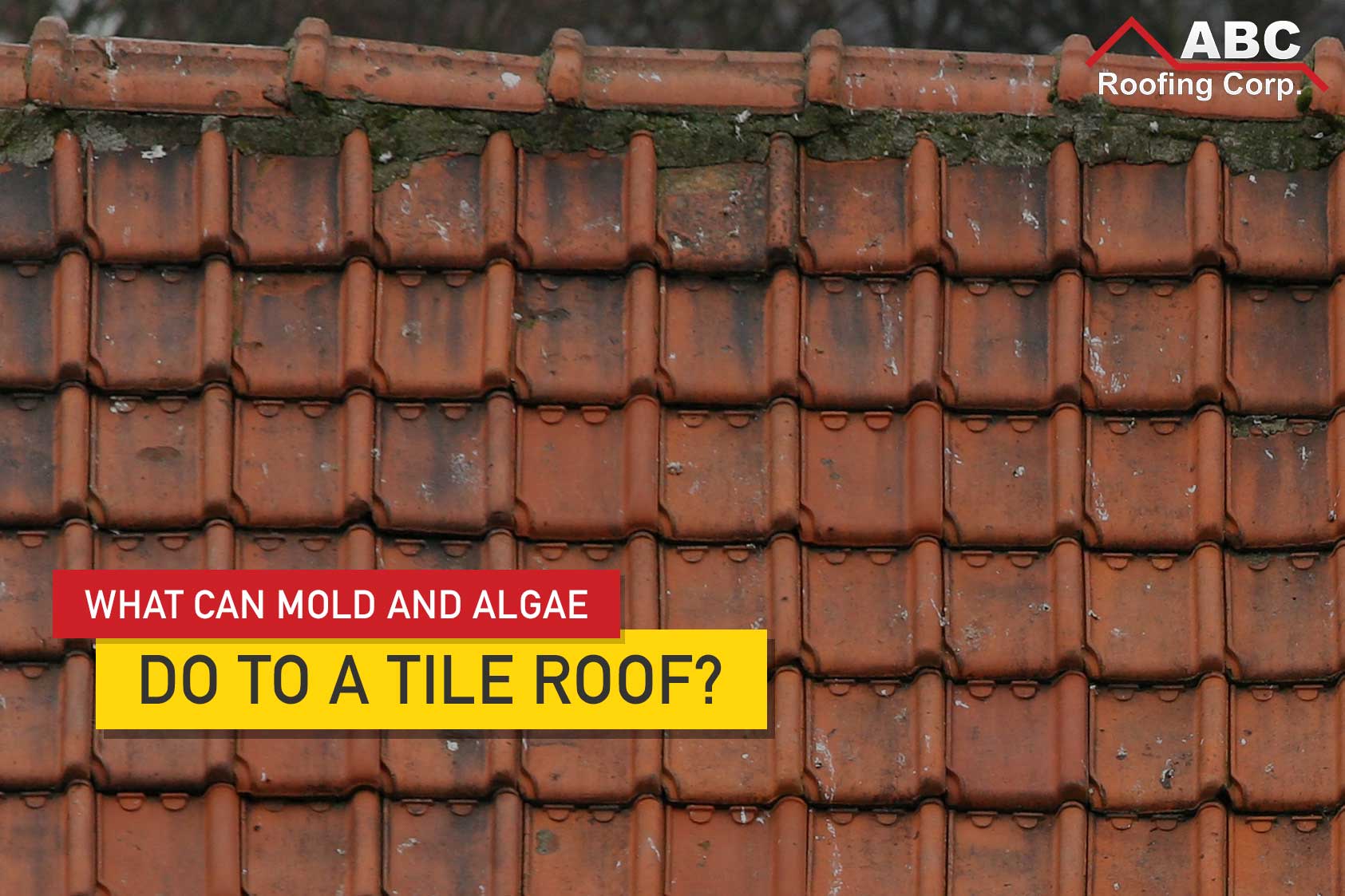
As a homeowner, the growth of algae and mold on your roof tiles is something you should not ignore. Algae and fungal buildup on roof tiles is very common in South Florida due to the heat, humidity, and frequent rain. Black streaks, stains, and green or dark patches on your roof are usually signs of algae or mold growth. These growths often begin between the tiles and slowly spread across the surface of the roof.
The buildup of dust, dirt, and organic debris combined with moisture and sunlight creates the perfect environment for algae and mold to grow. Over time, this can cause damage that may require professional roof repair services if the roof structure becomes compromised.
Effects Of Algae And Mold Growths On Your Roof
Almost all roof tile types can develop fungal growth, but cement tiles and asphalt shingles are especially vulnerable in South Florida. One of the most common organisms found on roofs is Gloeocapsa magma, which causes the black streaks often seen on shingles and tiles. Once algae begins to grow, it can attract other organisms that may cause further damage.
Algae and mold hold moisture against the surface of the roof, which can eventually lead to leaks. Over time, trapped moisture can create gaps or cracks that weaken the roofing system. When damage becomes severe, homeowners may need professional residential roof replacement to restore the protection of the home.
Even though algae itself is not always dangerous, mold can become a health concern if it spreads into the attic or interior of the home. In many cases, the presence of algae also means lichen or other organisms are growing on the roof, which can cause tiles to separate and allow water to enter.
How Mold, Algae, And Debris Affect Drainage
Moisture problems are often made worse when debris collects in gutters and drainage areas. When water cannot drain properly, the roof stays wet longer, which allows algae and mold to grow faster.
Keeping your drainage system clear with proper seamless gutter installation and maintenance helps prevent water buildup and protects the life of your roof.
How To Deal With Fungal Outgrowths
When you notice black streaks, green patches, or other signs of algae on your roof, it is important to have the roof inspected by a professional. Removing fungal growth is not as simple as washing dirt off the surface. Improper cleaning can damage roof tiles and shorten the life of the roof.
Professional treatments such as Roof-A-Cide roof treatment are designed to safely remove algae, mold, and bacteria while helping prevent future growth.
After cleaning, regular maintenance can help keep your roof in good condition. This may include trimming trees near the roof, improving ventilation, and making sure gutters and drains stay clear.
Walking on your roof yourself is not recommended, as it can be dangerous and may cause more damage. If you notice signs of mold, algae, or roof damage, it is best to have a licensed roofing contractor inspect the problem.
Need A Professional Roofing Inspection?
If your roof has algae, mold, leaks, or visible damage, it is important to have it checked before the problem gets worse. ABC Roofing has been serving South Florida for over 30 years and provides complete roofing services including inspections, repairs, cleaning treatments, and roof replacement.
Call 954-344-4622 today to schedule an inspection.
Related Articles

The Best Roofing Systems for South Florida Homes
Upgrading your roof adds to the look and value of your home. There are many…
Read More
Small Things That Stress Out Your Licensed Roofer
We all think that we can save a quick buck by doing home repairs ourselves,…
Read More
Roofing Company Scams & How To Avoid Them
Year-after-year thousands of homeowners fall prey to roofing company scams. Your roof is the first…
Read More
Your Waterproofing Roof Options
Waterproofing roof options are one of the ‘behind the scenes’ materials that do not get…
Read More